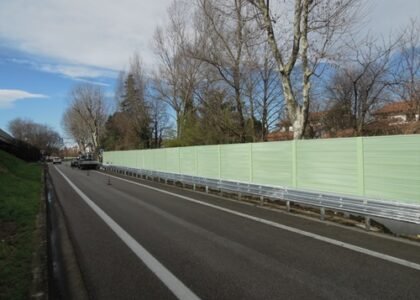



Road safety has become a matter of concern for all countries throughout the world due to increasing traffic from vehicles. Some of the common reasons for increasing road accidents are speeding, poor weather, driver negligence, or sudden loss of control, resulting in severe injuries and even deaths. To reduce such risks, crash barriers are installed along highways, bridges, medians, and dangerous road sections. These barriers are designed to absorb impact and prevent vehicles from entering hazardous areas, making roads safer for drivers, passengers, and pedestrians.
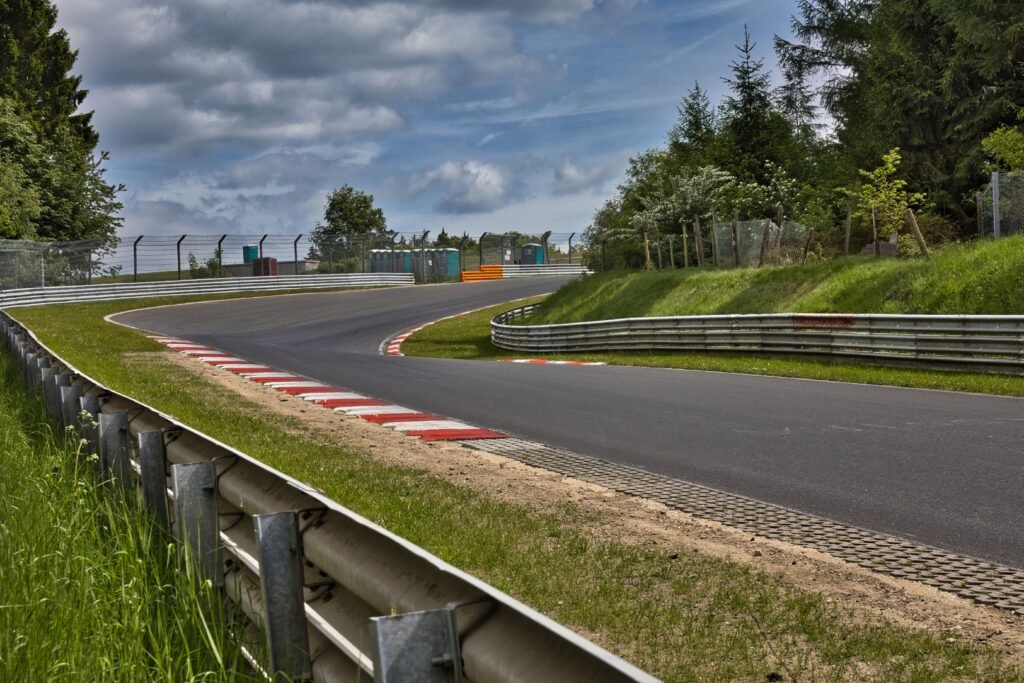
- Preventing Vehicles From Leaving the Road: One of the most important uses of crash barriers is stopping vehicles from moving away from the road during accidents. They protect vehicles from falling into ditches, valleys, or rivers, especially on highways and mountain roads.
- Reducing Head-On Collisions: Crash barriers placed in road medians separate traffic moving in opposite directions. This prevents vehicles from crossing into oncoming lanes and lowers the chances of severe head-on collisions.
- Improving Safety on Bridges and Flyovers: Vehicles involved in accidents on bridges and elevated roads can fall from dangerous heights. These barriers act as protective shields that improve safety and prevent such incidents.
- Protecting Pedestrians and Cyclists: In urban areas, they play an important role in separating pedestrians and cyclists from moving traffic. They are commonly installed near schools, bus stops, and public walkways to reduce the risks of accidents.
- Enhancing Safety in Construction Zones: Moving between the road during its construction can be risky for workers and vehicle owners. Installing these barriers develops a boundary between traffic and work areas, reducing the possibility of accidents involving workers or machinery.
- Guiding and Controlling Traffic: They are used for directing vehicles through curves, intersections, and diversions. This helps in maintaining discipline on the road, reduces confusion among drivers, and supports smoother traffic movement.
- Protecting Roadside Infrastructure: Apart from allowing for smooth transportation, roads are used for installing signboards, electric poles, and bridge supports. The use of Crash barriers helps protect these structures from damage caused by vehicle collisions.
- Reducing Accident Severity: Although crash barriers cannot completely prevent accidents, they help reduce the impact of collisions by absorbing crash energy and redirecting vehicles safely.
Conclusion: Crash barriers are an essential part of modern road safety systems. They help prevent serious accidents, protect pedestrians, guide traffic, and improve driver safety in hazardous areas. As traffic continues to increase, crash barriers will remain important for creating safer and more efficient road networks.