

The main gate of your home not only restricts the entrance of unwanted people in your home, but also plays a vital role in enhancing its exterior aesthetics. Therefore, when it comes to selecting a gate between a metal and timber gate, think about your needs and the look you want. Metal gates last longer. They are designed to resist all types of weather conditions and do not rot or get eaten by insects. They do not need any specific maintenance and can be easily cleaned with a piece of cloth. The only thing you need to check is for the accumulation of rust. Metal gates can give your home a modern or traditional look, depending on the design.
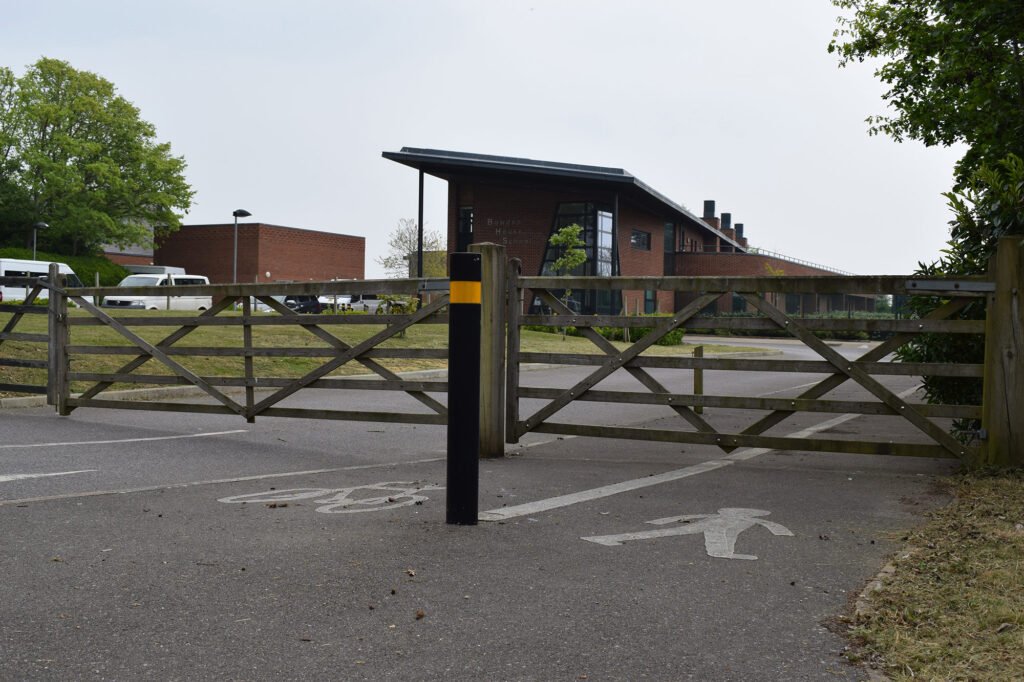
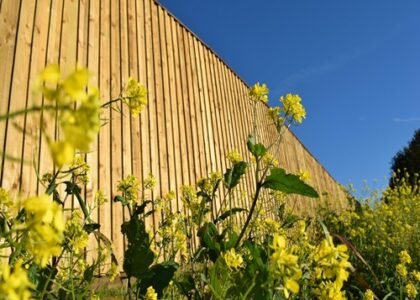
Timber gates look warm and natural. They work well if you want your gate to match a garden or a home with a classic style. They do need more care. You have to paint or stain them and watch out for rot and pests. Timber gates usually cost less at first. However, as the time passes, you will have to pay attention towards their maintenance.
Think about the weather where you live, how much work you want to do on your gate, and the style you prefer. Both options have good points and drawbacks. Your final choice depends on what matters most to you.
It is important to choose the right gate since this will have an effect on the security, look, privacy and the ongoing maintenance of your property. Two of the most commonly used materials for residential gates are metal and timber, and each of them has its own advantages. A metal gate usually gives better strength and durability and requires less maintenance, whereas a timber gate has a warmer and more natural look and offers greater privacy.
Then it comes to choosing between a metal gate and a timber gate—the decision will vary according to your priorities, your budget, the style of your property and the amount of maintenance you are willing to carry out.
Metal Gates: Strength and Durability
Metal gates are usually chosen when the main considerations are security and durability. Gates made from steel or wrought iron offer a strong and stiff construction, which makes them appropriate for use on driveways, entrances, and properties where security is a priority. Metal can also be made in a wide variety of designs, ranging from simple modern ones to decorative patterns.
A further important benefit is that it is resistant to the kinds of problems which usually affect wood. Metal doesn’t rot, and it isn’t subject to the same swelling, shrinking or warping that occurs with exposed wood. If a suitable protective finish is applied, for example galvanising or powder coating, the metal gate can offer a long service life with only a small amount of regular maintenance.
Steel and iron will, however, rust if the protective coating on them is damaged or if it is not well maintained, and rust can be prevented from spreading by carrying out regular inspections and giving timely treatment to any scratches or exposed areas.
Timber Gates: Natural Appearance and Privacy
Homeowners who desire a traditional and natural look often choose timber gates. Wood tends to go well with gardens, brick walls and houses that have a classic architectural style. Moreover, it gives good visual privacy when a solid or close-boarding design is employed.
One advantage of using timber is the degree of design flexibility it offers. It is possible to achieve a personalised look by selecting different types of wood, as well as various stains, paints and finishes. The fact is, though, that timber is more influenced by weather conditions than metal, since exposure to moisture, sunlight and changes in temperature can cause the wood to swell, shrink, crack or break down gradually over time.
As a result, timber gates usually need more frequent care, such as sealing, staining, painting or other forms of protection. The specific maintenance needed will vary according to the kind of timber, the finish and the local weather conditions.
Metal vs Timber Gate: Maintenance
Maintenance is one of the main differences between the two materials. A metal gate that has been properly finished usually needs cleaning, having the coating inspected and looking after any areas that are damaged. Since its surface has to be protected from moisture and weathering, timber demands more frequent care.
Metal is usually the better choice if you are looking for a gate that needs less frequent maintenance. However, if you are willing to have it refinished from time to time and prefer a natural look, then timber can be a very good option.
Which Gate Gives Better Security?
In terms of security, metal usually has the upper hand since steel and wrought iron can form a strong barrier and may be used together with solid locks, access-control systems and automation. Timber can likewise offer a good level of security, especially when it is built with a strong frame and good hardware, but solid timber is mainly selected for reasons of privacy and appearance rather than for maximum structural strength.
Which Is More Affordable?
The amount initially needed can vary greatly according to the material, size, design, finish and the requirements for installation. A simple timber gate can be cheap, while premium hardwood can end up being expensive. In a similar way, a basic metal gate may be within one’s budget, whereas custom wrought iron or high-quality steel gates may call for a bigger outlay.
Homeowners should therefore take the long-term costs into account rather than looking only at the purchase price; although a cheaper timber gate may need frequent staining, sealing and repairs, a well-finished metal gate will need less ongoing maintenance.
What should you pick: metal or timber?
There can’t be a single best option; if your main concerns are security, durability, strength and little need for maintenance, then a metal gate is the one to select, while if what you prefer is the natural beauty, privacy and a traditional look a timber gate should be chosen.
For those homeowners who would like the look of timber but with greater structural stability, a steel-framed timber gate is also an option. This method uses a solid supportive frame together with the warmth and visual attractiveness of wood.
In the end, the best gate is the one that suits the design of your property, the local weather conditions, your security needs, and your expectations regarding maintenance.