


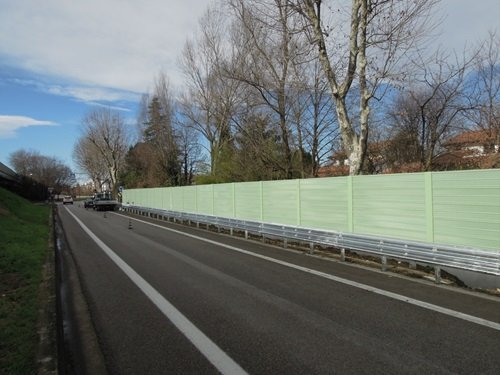
Modern infrastructure is becoming more crowded. Roads, railways, industrial areas, airports and commercial buildings are often built close to homes and public spaces. These developments help the economy grow and make travel easier. They also bring higher levels of noise. This has made noise control a key part of planning projects. Slim noise barriers are now seen as a solution because they can reduce noise without taking up too much space.
The Growing Need for Better Noise Control
Traffic, trains, construction work and machines in factories all produce sounds. When people are exposed to excessive noise over time, it can affect their peace, focus and general well-being. As cities grow, new infrastructure projects must pay attention to how they impact residents and workers.
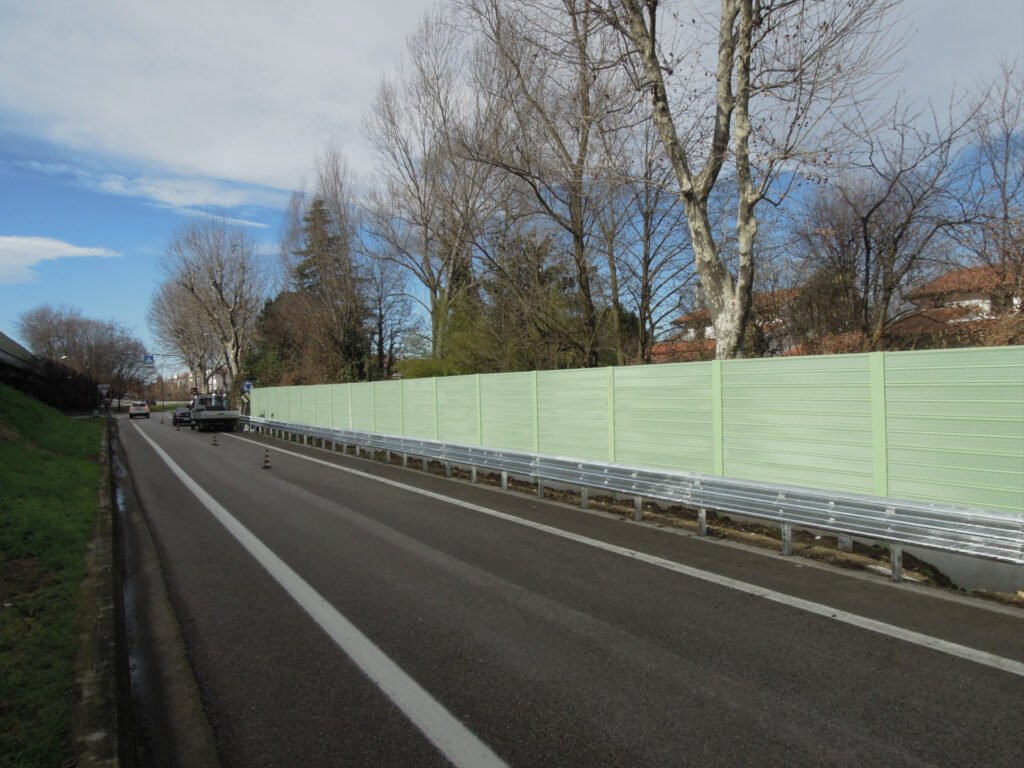
Traditional noise barriers do a job at blocking sound, but they are often wide and require large areas of land. In places where space’s limited—like busy roads, train lines or busy city neighbourhoods—this can be a problem. Slim barrier systems help solve this issue by offering protection from noise while using less space.
Making Better Use of Limited Space
One benefit of slim noise barriers is that they can be used in tight spots where regular barriers wouldn’t fit. Many infrastructure projects have sides, small clearances or existing structures nearby. A thinner design makes it easier to place a noise barrier without changes to the area.
This is especially important in settings where every bit of usable space counts. Rather than redesigning roads or buildings, a compact barrier can fit into the current layout more easily.
Supporting Sustainable Infrastructure
Noise management is now a part of building sustainable infrastructure. Projects today should not only provide fast transport or services but also try to minimise harm to the environment and communities.
Slim noise barriers support this goal by reducing noise pollution while keeping the footprint of the project small. Modern designs can also be made low-maintenance, which helps save money over time for owners and operators.
Versatile Applications
Noise problems exist across types of infrastructure. Highways and main roads need barriers to stop traffic noise from reaching homes and schools. Railways passing through areas may need sound protection along the tracks. Industrial sites use barriers around machinery and operations.
Airports, ports, shopping centres and other large developments also need ways to manage noise. Because slim barriers can be placed in areas, they work well in many modern situations where space is limited.
The Future of Noise Barrier Systems
As cities fill up and infrastructure networks keep growing, managing noise will stay a priority in planning. The goal is shifting toward solutions that offer sound reduction, take up little space, last a long time and are easy to install.
Slim noise barriers meet these needs. They help create infrastructure that fits better with surrounding neighbourhoods. For projects that want a space-saving way to handle noise, POLYSoundBlok® Absorptive SLIM provides a modern noise barrier system built to meet today’s demands.